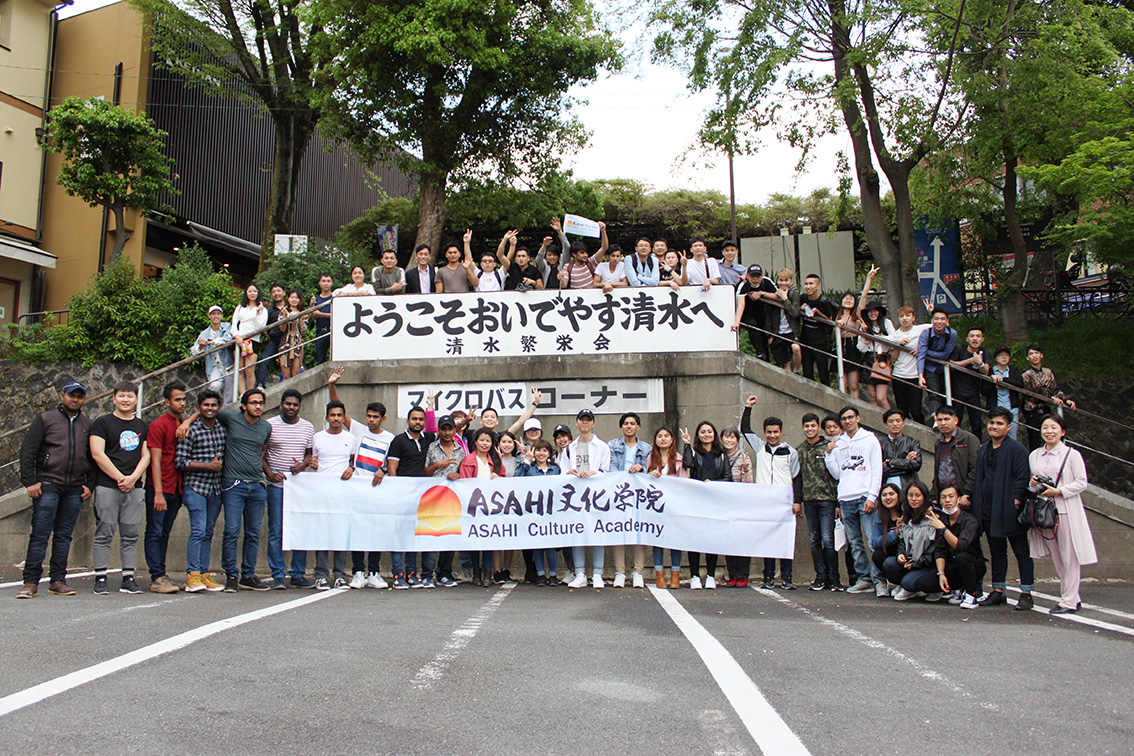
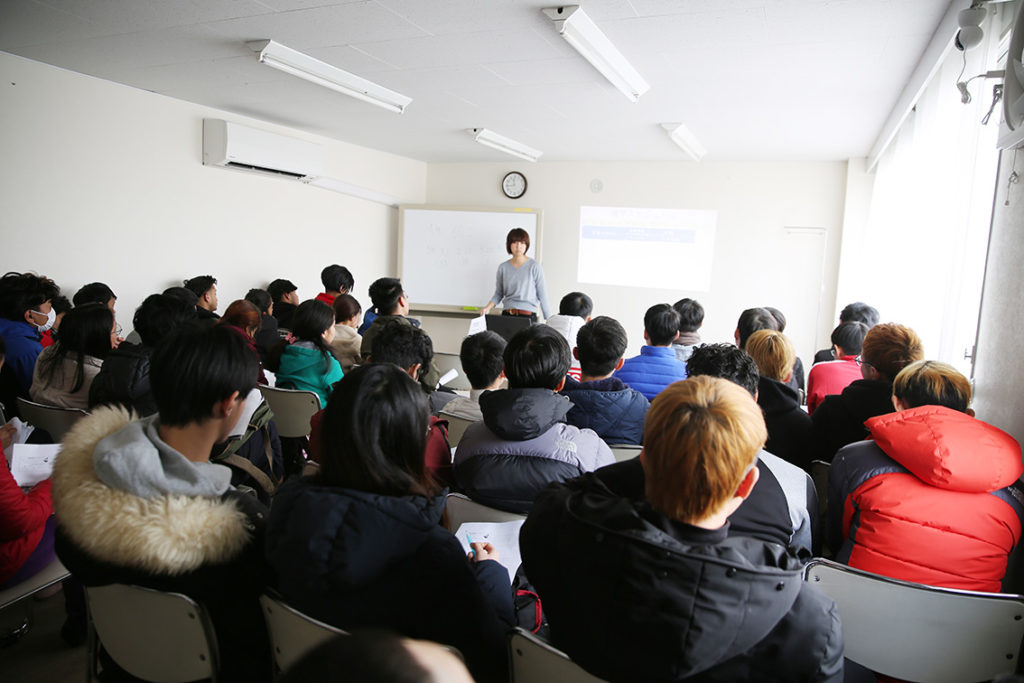
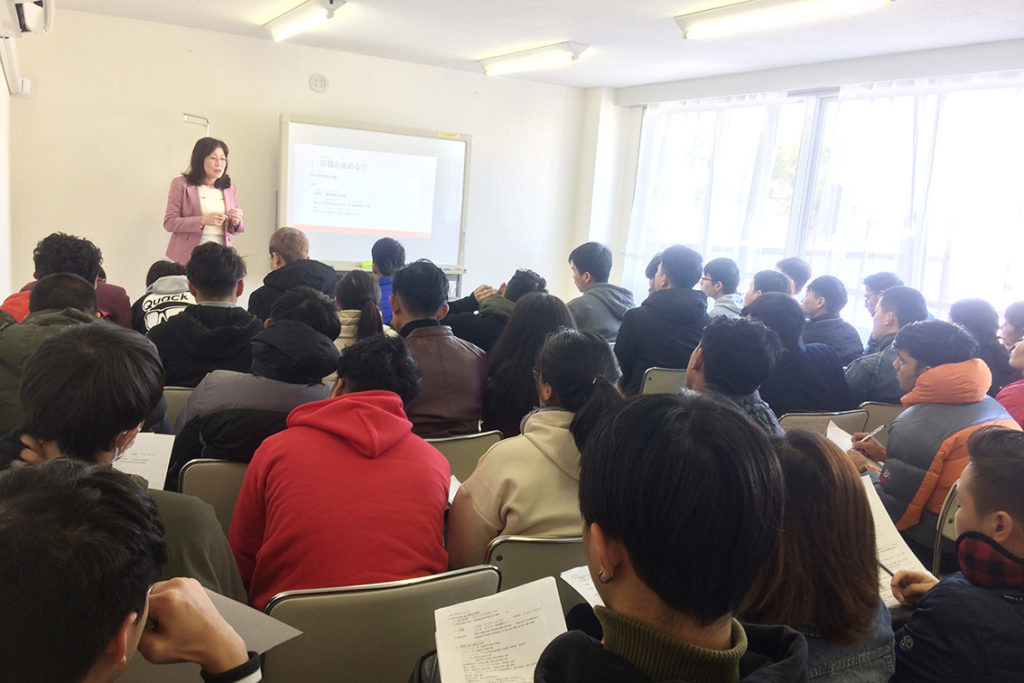
Summer 2019 Sumo Stable Visit
From July 7th onward, many sumo wrestlers have come to Nagoya for the Nagoya Tournament. Today, interested students were invited to observe a morning practice session at Chiganoura Stable!

A sumo tournament is called a "basho." Sumo is most often held in Tokyo, but every summer there is a tournament in Nagoya, called the Nagoya Basho. The place where sumo wrestlers (the people who do sumo) practice is called a "heya" (stable). And sumo practice is called "keiko."
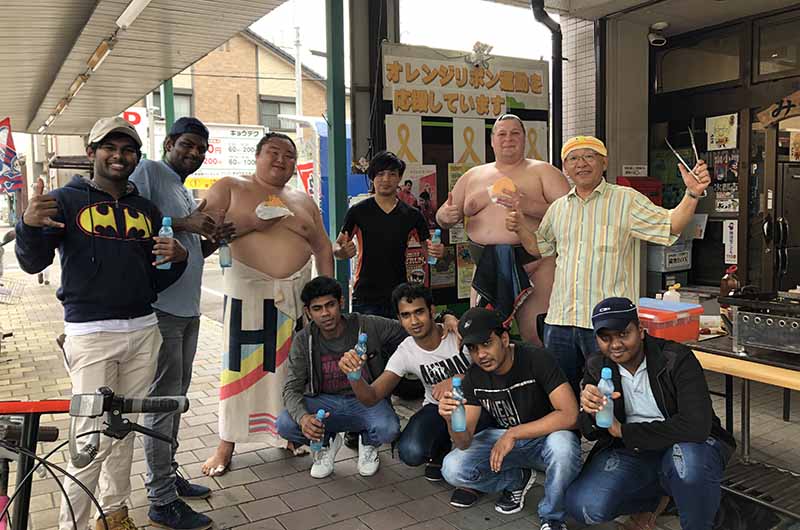
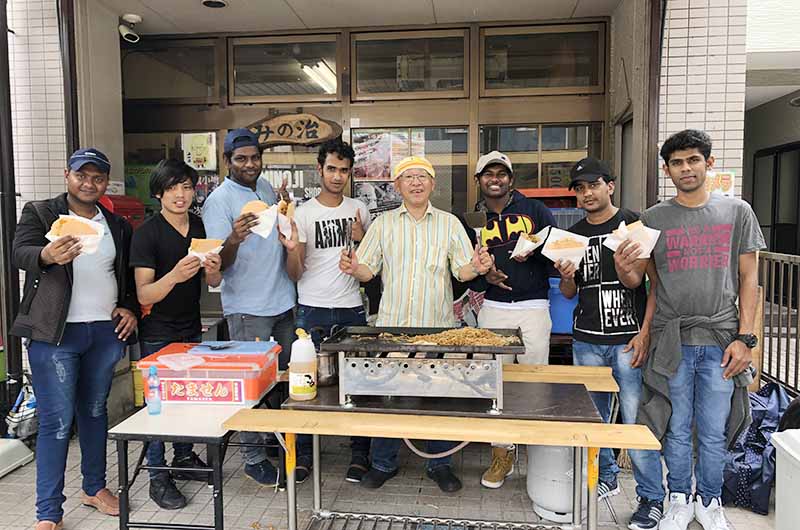
After visiting the sumo stable, we ate Nagoya's casual local food, "yakisoba-iri tamasen" (noodles in a fried egg cracker). The shop owner was kind enough to let us try making tamasen ourselves!
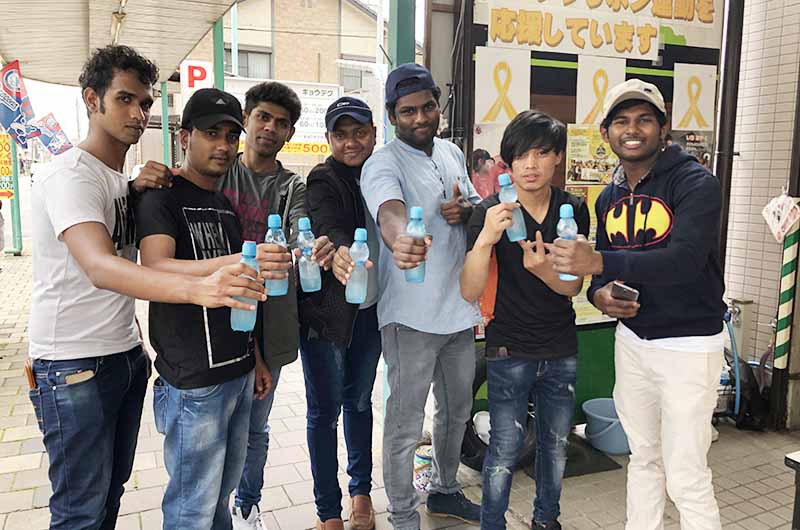
We also tasted ramune (a Japanese soda) for the first time — it was so much fun!
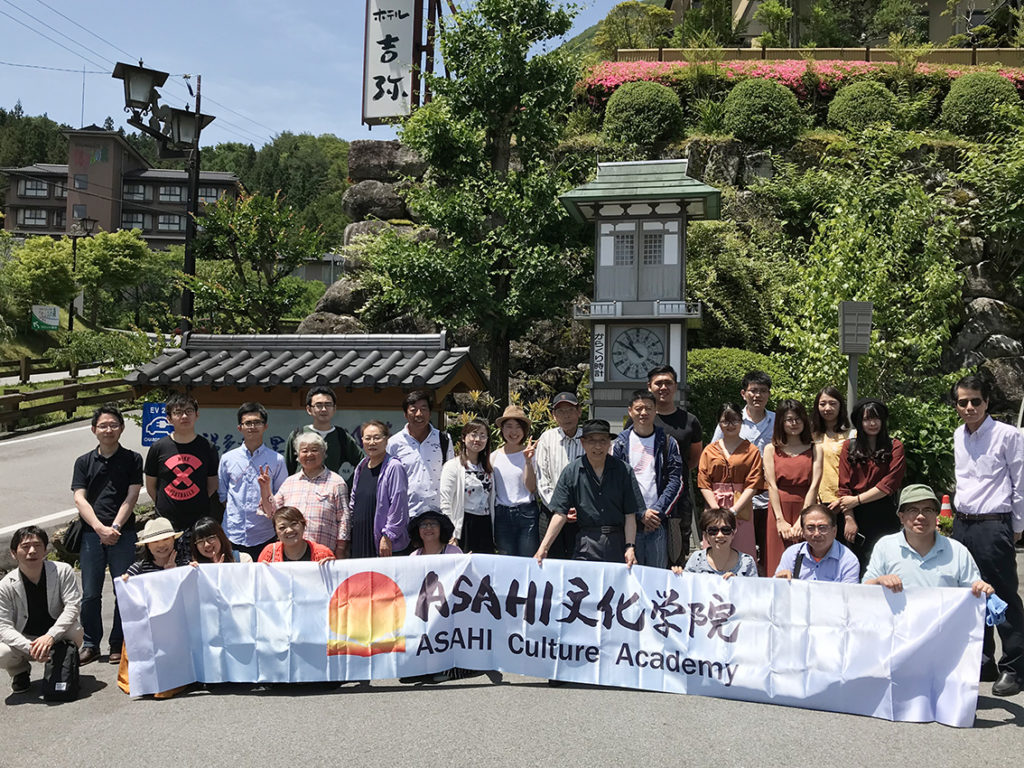 The Nakasendo Road was one of the five major routes of the Edo period, connecting Kyoto to Tokyo. It was used by imperial princesses traveling to marry into the shogunate family. Among them, the grand procession of Princess Kazunomiya, who married the 14th shogun Tokugawa Iemochi as part of the late Edo period policy of uniting the court and military, is said to have been as splendid as a picture scroll. Today, charming post towns still remain along the route.
The Nakasendo also served as the setting for various literary works. Magome-juku, where Shimazaki Toson — born in Magome — wrote his historical novel Yoake Mae (Before the Dawn) set in his hometown, is located at the southern end of the Kiso Eleven Post Towns, offering a panoramic view of the Mino region below.
The Nakasendo Road was one of the five major routes of the Edo period, connecting Kyoto to Tokyo. It was used by imperial princesses traveling to marry into the shogunate family. Among them, the grand procession of Princess Kazunomiya, who married the 14th shogun Tokugawa Iemochi as part of the late Edo period policy of uniting the court and military, is said to have been as splendid as a picture scroll. Today, charming post towns still remain along the route.
The Nakasendo also served as the setting for various literary works. Magome-juku, where Shimazaki Toson — born in Magome — wrote his historical novel Yoake Mae (Before the Dawn) set in his hometown, is located at the southern end of the Kiso Eleven Post Towns, offering a panoramic view of the Mino region below.
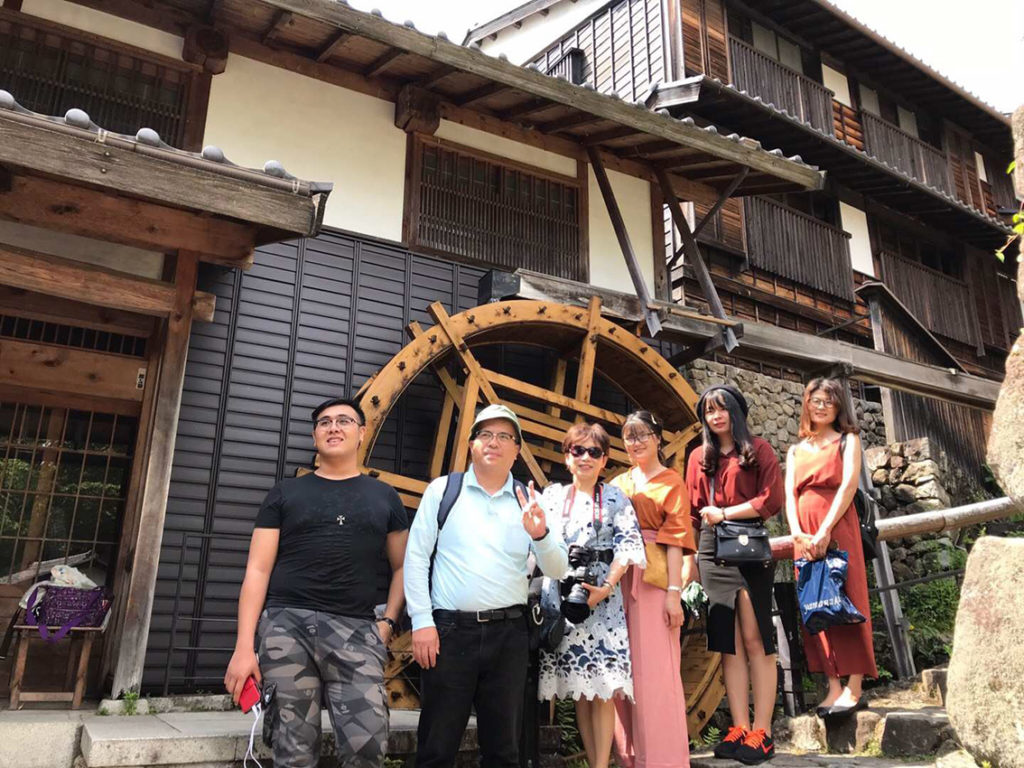 Magome-juku is a post town with a charming streetscape and stylish stone-paved slopes, where the hillside road and surrounding buildings have an old-fashioned beauty. We enjoyed the scenery of the Edo period.